Electric vehicles are rapidly changing how businesses manage transportation, construction equipment, service fleets, and field operations. But as EV adoption grows,
Modern businesses depend on reliable electricity more than ever. Manufacturing equipment, HVAC systems, data infrastructure, lighting, EV chargers, refrigeration, automation, and other critical operations all require a stable supply of power.
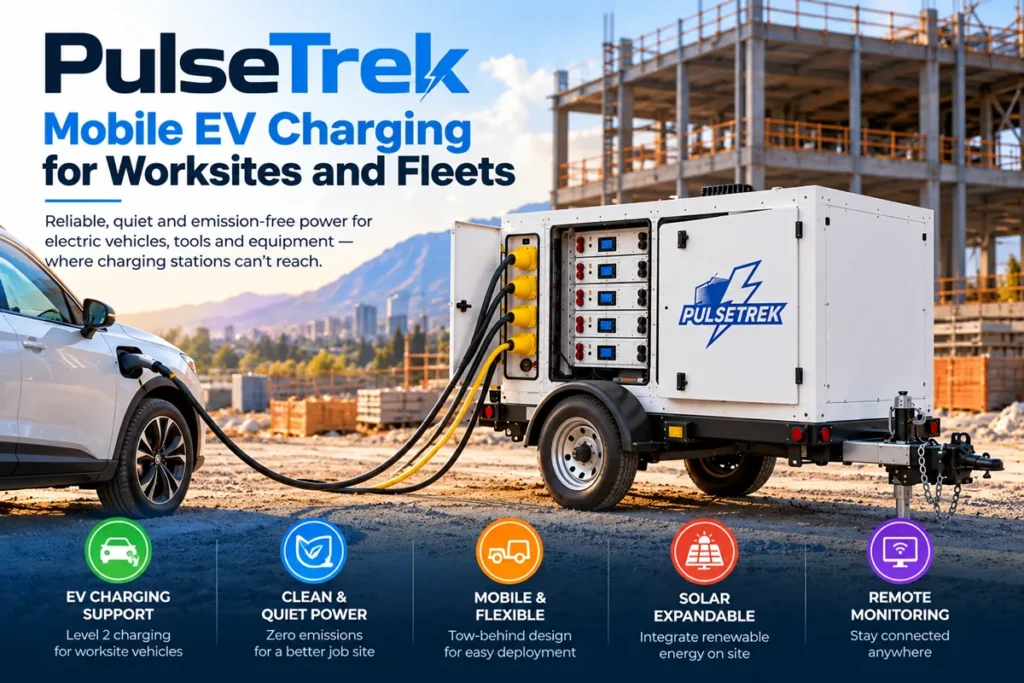
Electric vehicles are becoming increasingly important for commercial fleets, construction companies, utility teams and field-service operations. But fleet electrification creates a practical challenge:
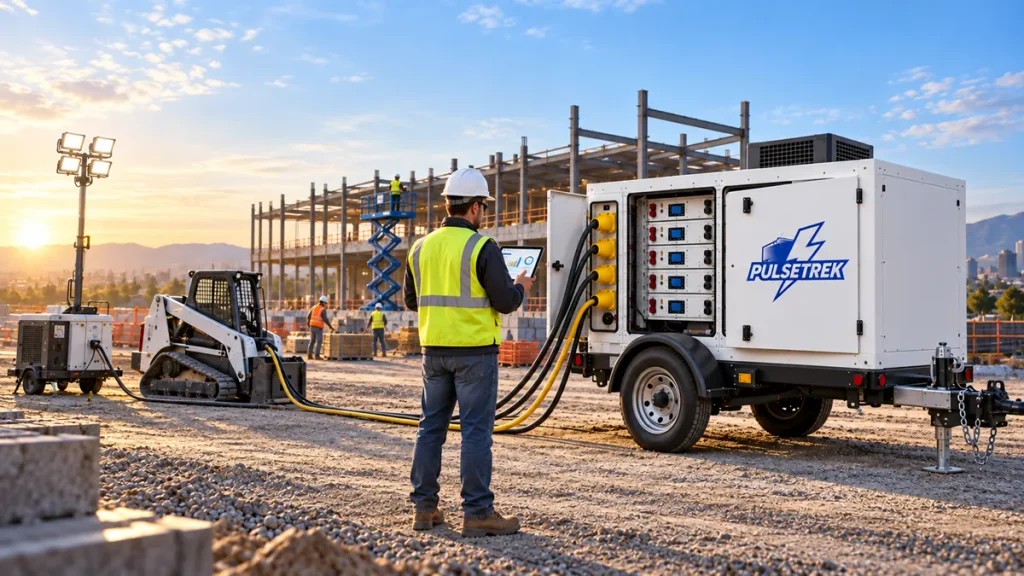
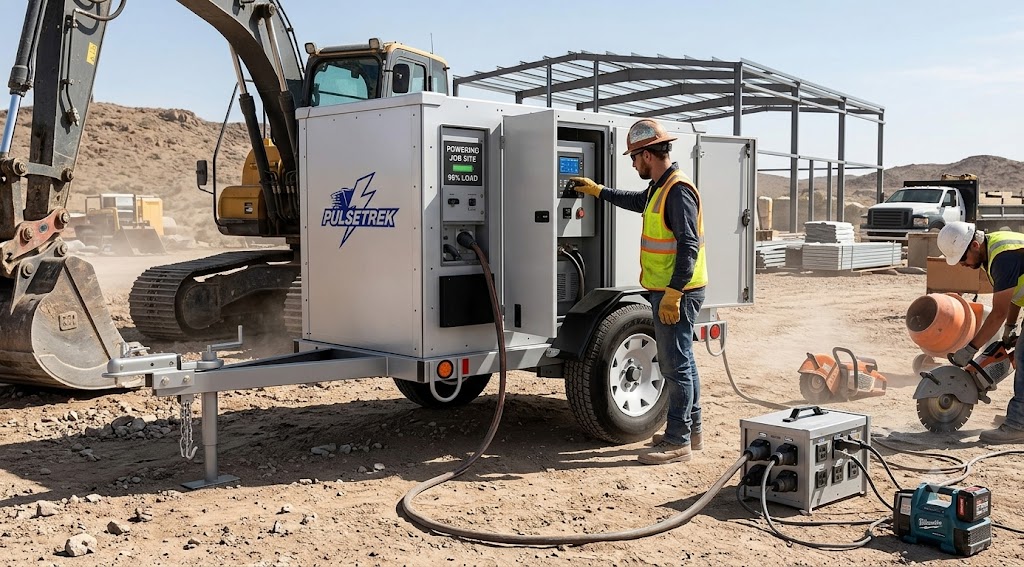
Construction sites need reliable electricity to operate power tools, lighting systems, security equipment, temporary offices, and essential machinery.
Construction sites need reliable power every day. From electric tools and temporary lighting to mobile offices,
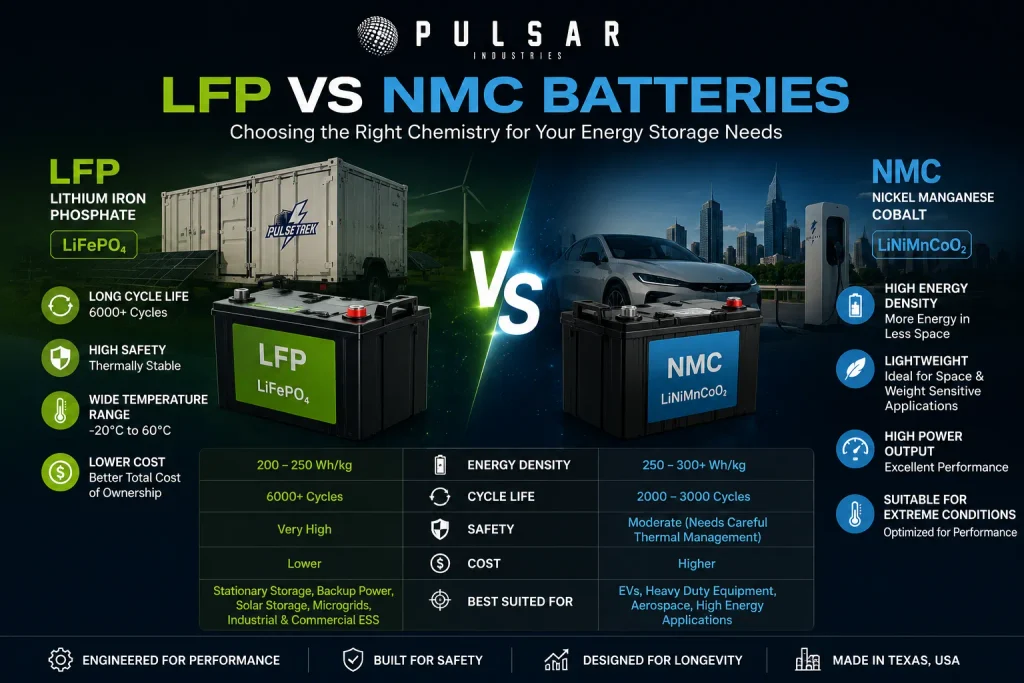
Choosing a battery energy storage system is not simply about selecting how many kilowatt-hours of storage a facility needs.
As energy costs continue to rise, businesses are looking for smarter ways to manage electricity consumption,
As energy costs continue to rise, businesses are looking for smarter ways to manage electricity consumption, reduce peak demand, and improve energy reliability.
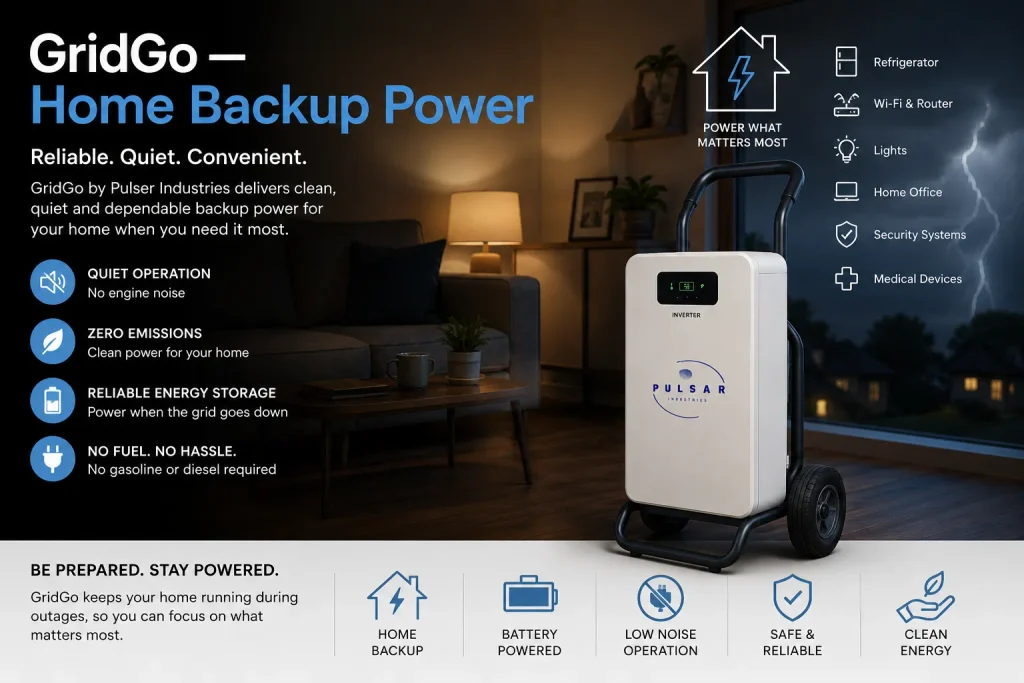
Power outages can happen without warning, disrupting everything from essential appliances and internet connectivity to heating, cooling, and home security.
Choosing a battery energy storage system is not simply about selecting how many kilowatt-hours of storage a facility needs.
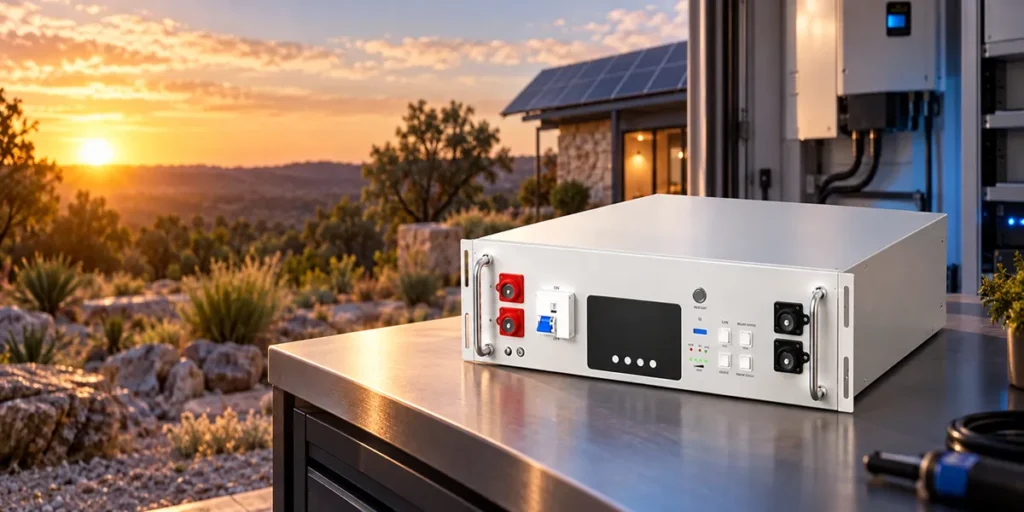
Energy independence requires more than simply installing solar panels. A dependable off-grid system also needs a durable battery, a powerful inverter
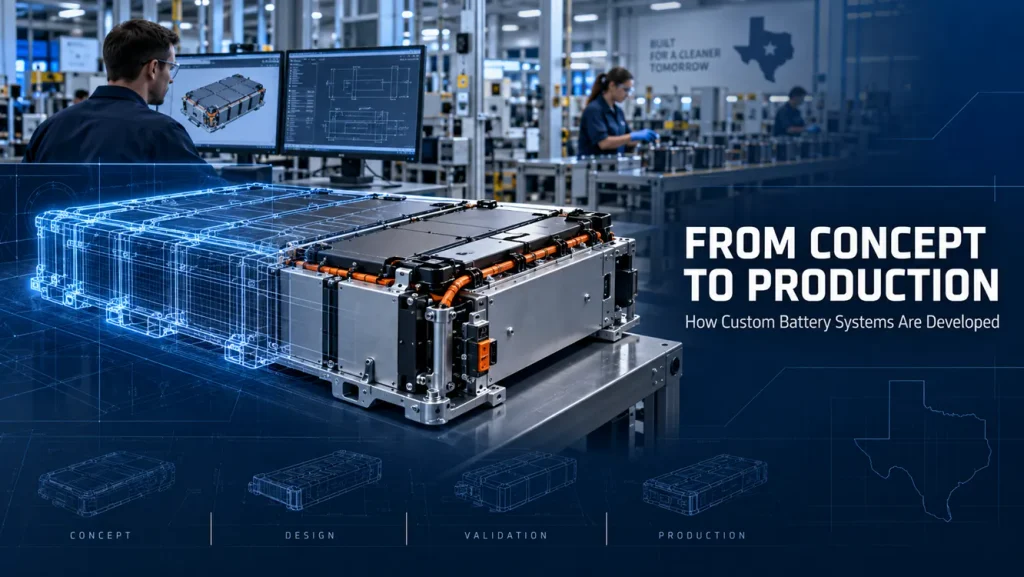
Modern businesses need reliable energy solutions that match their unique operational requirements. However, standard off-the-shelf batteries may not always provide the right voltage, capacity, dimensions, performance, safety, or communication features.
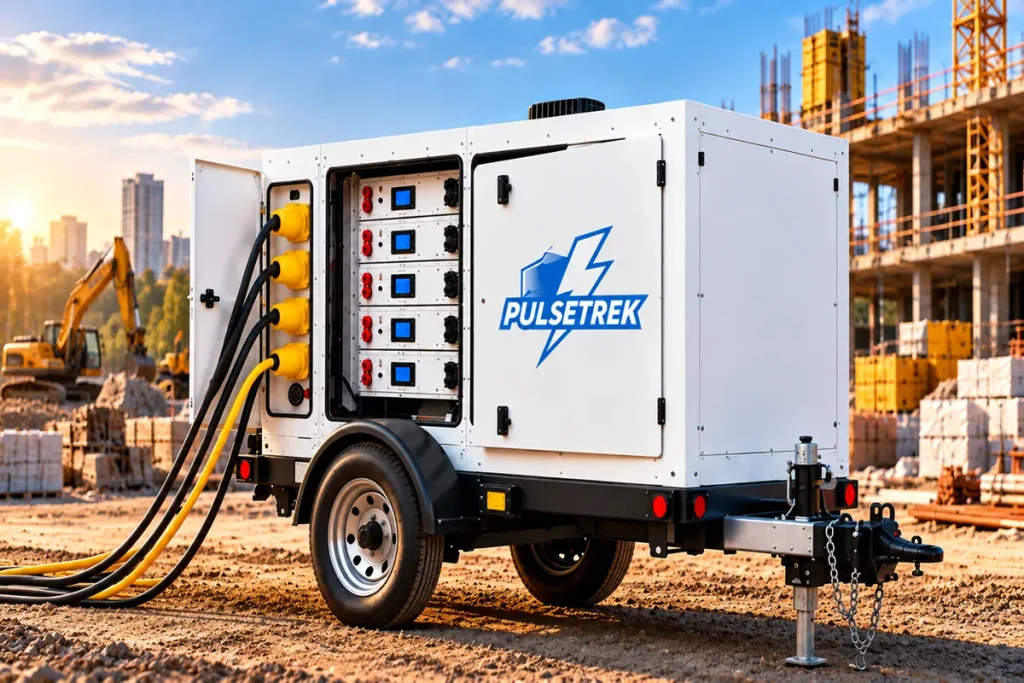
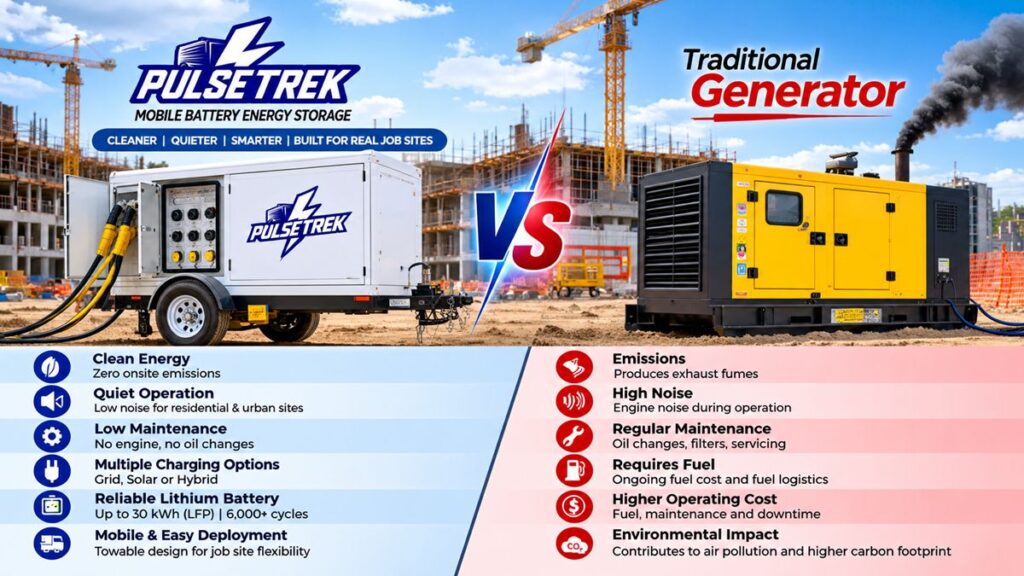
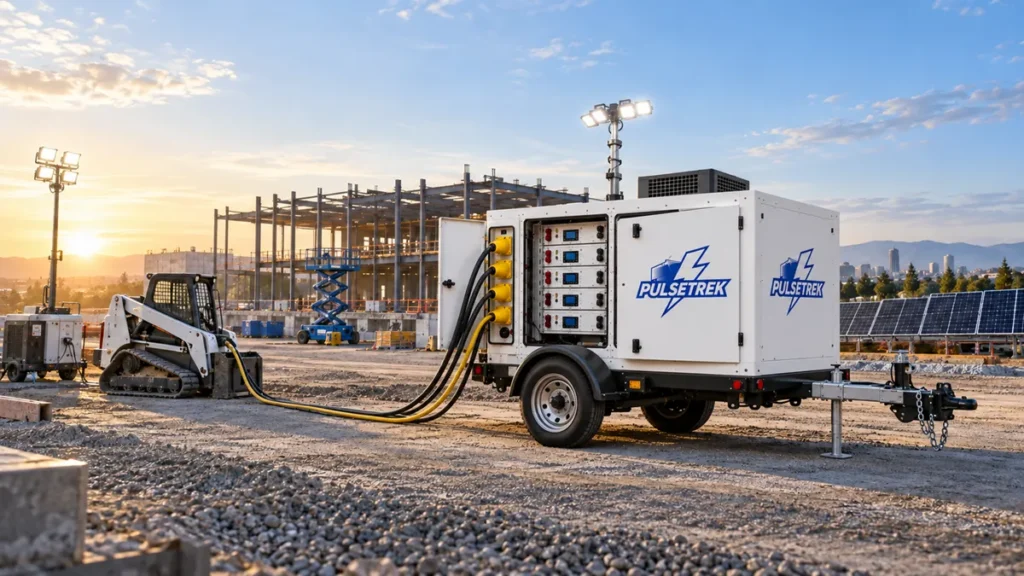
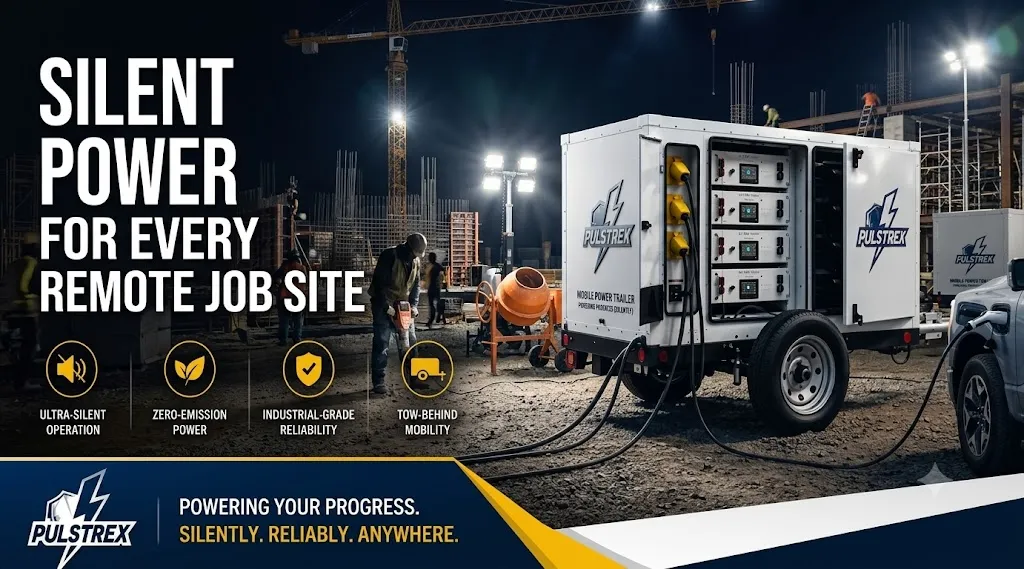
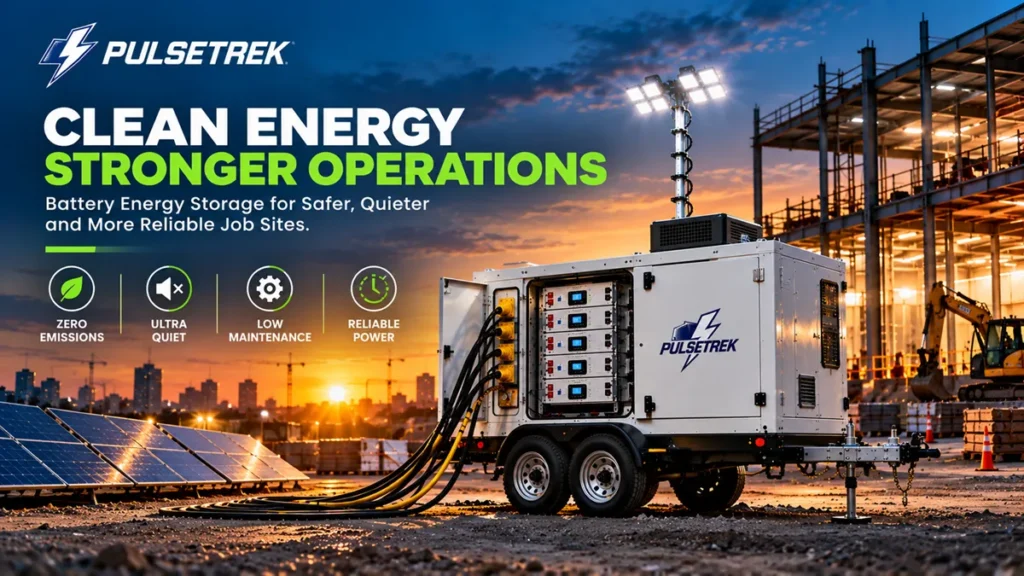
Construction sites require a reliable power supply for lighting, tools, machinery, security systems and temporary offices. In locations where grid power is unavailable, diesel generators are commonly used. However, continuously running a generator can lead to high fuel expenses, frequent maintenance and unnecessary energy waste.
Construction sites, outdoor events, emergency operations and remote workplaces require a reliable source of electricity. For many years, diesel generators have been the standard choice for temporary power. However, they produce noise, harmful emissions and ongoing fuel expenses.
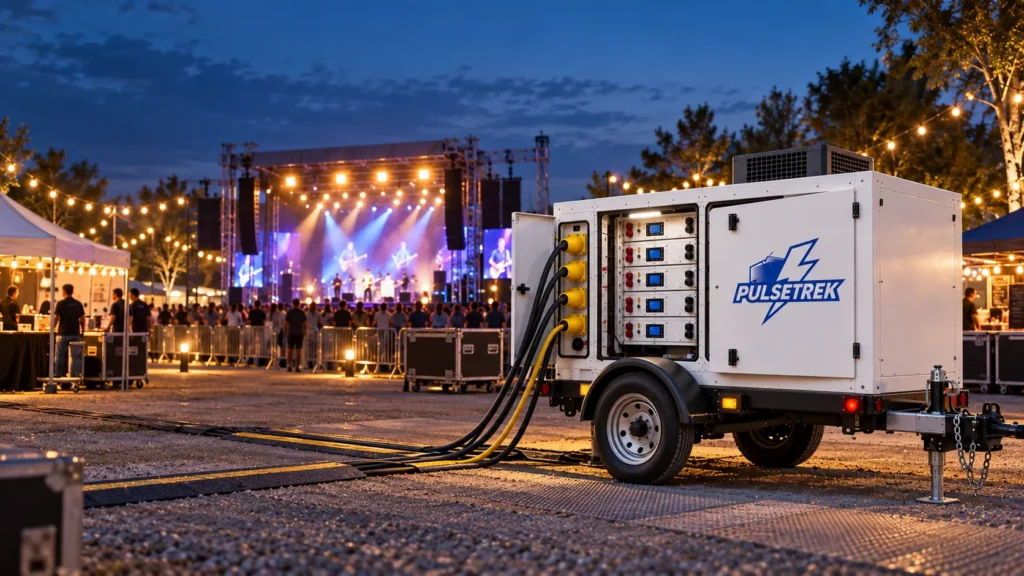
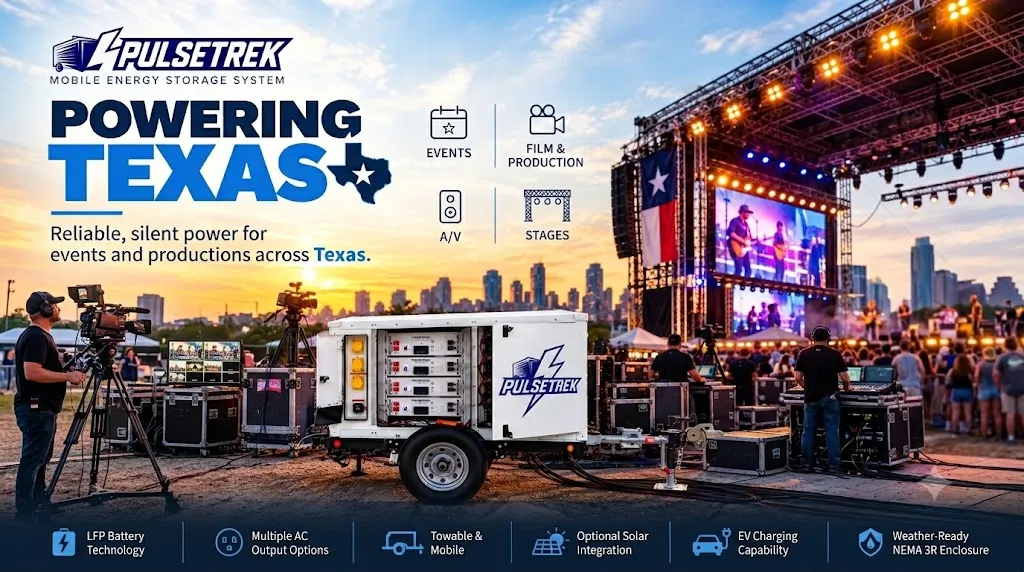
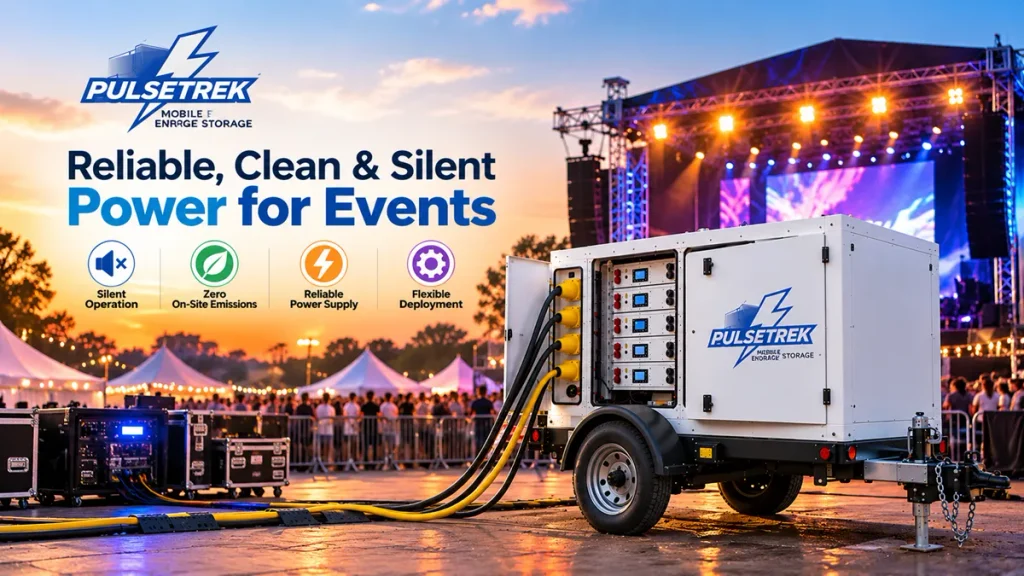
Outdoor events need a dependable source of electricity for lighting, sound systems, food stalls, digital displays and other essential equipment. Diesel generators have traditionally been used for temporary event power, but they produce constant noise, exhaust emissions and ongoing fuel expenses.
When operations move beyond the utility grid—such as infrastructure projects, utility corridor work, remote telecom sites, or off-grid film sets—reliable power is non-negotiable.
Industrial operations depend on reliable electricity. Manufacturing equipment, automation systems, warehouses, charging infrastructure, communications..
On modern job sites, power reliability is non-negotiable. Whether running heavy cordless tool charging banks, powering perimeter safety floodlights, or keeping project
Construction projects depend on more than heavy equipment and power tools. Temporary offices, site trailers, security systems, communication equipment,
Reliable electricity is essential for successful outdoor events, exhibitions, concerts, festivals, and temporary installations. From lighting and audio equipment to digital displays and communication systems, event organizers need a dependable power supply.
As demand for reliable power and renewable energy integration grows, businesses are increasingly evaluating battery energy storage systems for commercial and industrial applications.
In today’s competitive business environment, reliable electricity is essential for maintaining productivity, protecting equipment, and ensuring uninterrupted operations. Whether it is a manufacturing facility,